
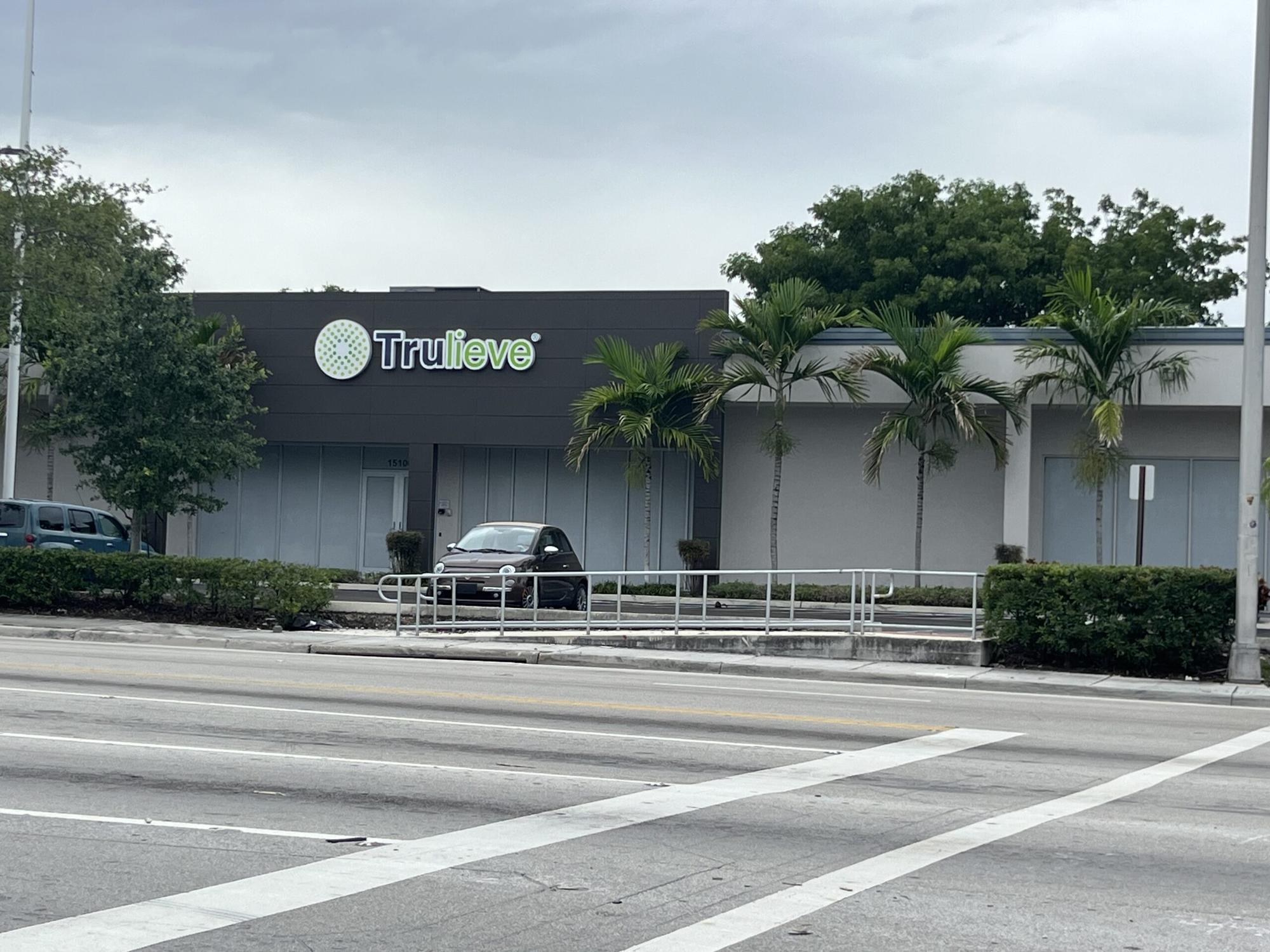
A Florida judge has dismissed a lawsuit filed by Trulieve Cannabis Corp. against the Republican Party of Florida (RPOF), closing one of the final legal battles stemming from the company’s heavily funded — and ultimately unsuccessful — campaign to legalize adult-use marijuana in the state.
The dismissal marks an anticlimactic end to Trulieve’s attempt to challenge the GOP’s role in opposing Amendment 3, a ballot measure that aimed to legalize recreational cannabis during the 2024 election cycle. Although the initiative received almost 56% voter support, it fell short of the 60% threshold required for constitutional amendments in Florida.
The ruling underscores the political and legal headwinds facing cannabis reform in one of the nation’s largest and most influential medical marijuana markets — and highlights the enormous financial risk taken by Trulieve, which contributed over $144.5 million to the Smart & Safe Florida campaign, the largest single-company political spend in U.S. cannabis history.
Trulieve’s High-Dollar Push for Legalization
Trulieve, headquartered in Tallahassee, has long been Florida’s dominant medical marijuana operator, holding the largest patient share and dispensary footprint in the state. As adult-use legalization movements gained momentum nationwide, the company took an aggressive approach in Florida’s 2024 cycle.
The company was the primary — and at times, nearly the sole — funder of the Smart & Safe Florida campaign, backing the movement with $144.5 million, according to campaign finance reports. The goal was clear:
- secure adult-use legalization
- convert Florida’s 900,000+ medical patients into a broader recreational market
- position Trulieve for explosive revenue growth in a state with nearly 22 million residents and record tourism numbers
The measure, appearing as Amendment 3, proposed legalizing cannabis for adults aged 21 and older, permitting personal possession and authorizing existing medical marijuana treatment centers to sell into the recreational market.
The Vote: Strong Support, but Not Strong Enough
On Election Day, Amendment 3 received 55.9% support — a majority by any conventional measure, but not enough to clear Florida’s uniquely high constitutional barrier.
Florida is one of just a handful of states requiring a 60% supermajority for constitutional initiatives. This threshold has sunk several popular amendments in recent years, including prior marijuana and gambling measures.
Despite endorsements from prominent figures like former President Donald Trump, who surprised many by voicing support for adult-use legalization, the amendment faced formidable resistance from Gov. Ron DeSantis and the state’s Republican establishment.
The Lawsuit: Trulieve vs. the GOP
During the campaign’s final stretch, tensions between Trulieve and the Republican Party escalated.
The company filed a lawsuit accusing the Republican Party of Florida of violating election laws, alleging that the GOP engaged in improper financial reporting and campaign coordination while opposing Amendment 3.
Trulieve claimed that the RPOF:
- failed to disclose certain anti-Amendment 3 expenditures
- worked against the amendment using improperly reported funds
- obstructed the campaign through what it described as “shadow tactics”
The lawsuit sought legal accountability at a time when the campaign’s momentum appeared threatened, especially after polling tightened and opposition messaging intensified.
The Dismissal: Judge Closes the Case
Last week, a Florida judge dismissed Trulieve’s lawsuit in full.
The ruling effectively states:
- Trulieve did not provide sufficient evidence that the Republican Party of Florida violated campaign finance laws.
- The RPOF’s actions fell within the bounds of permissible political activity.
- The court would not intervene in what it determined to be partisan political conflict rather than actionable legal wrongdoing.
By dismissing the suit, the judge signaled skepticism toward the idea that the GOP’s political messaging or financial reporting had improperly influenced the outcome of Amendment 3.
For Trulieve, the ruling is both a legal setback and a symbolic one — the official end of the company’s effort to challenge the political forces that helped block Florida’s path to recreational cannabis.
Why Trulieve Took the Risk
Legal analysts note that Trulieve’s lawsuit was partly a defensive move.
After investing nearly $145 million, the company had strong incentives to:
- protect the legitimacy of the campaign
- highlight potential misconduct by political opponents
- build a narrative supporting future legalization efforts
The lawsuit also helped keep pressure on Republican leaders, particularly Gov. DeSantis, who repeatedly criticized the amendment, framing it as a corporate scheme to “flood Florida with marijuana.”
But with the amendment’s failure, and now the lawsuit’s dismissal, Trulieve faces the reality that political dynamics in Florida remain firmly aligned against adult-use legalization — at least for now.
Political Dynamics: DeSantis and the GOP Held the Line
Despite Donald Trump’s surprising endorsement of Amendment 3, Florida Republicans broadly opposed the measure.
Gov. DeSantis called the amendment:
- “misleading”
- “dangerous to public safety”
- “a step toward making Florida like California”
The Republican Party of Florida launched counter-messaging campaigns warning that legalization would lead to increases in impaired driving, youth access, and public consumption — claims that cannabis advocates have consistently disputed.
Their strategy proved effective. Although a majority supported legalization, GOP influence and high-turnout conservative voters kept the measure below the 60% threshold.
What Comes Next for Legalization in Florida?
The failure of Amendment 3 does not end the legalization conversation. But it does shift the path forward:
1. A 2026 Ballot Comeback?
Smart & Safe Florida or a successor campaign may attempt another ballot initiative. But costs will be high after Trulieve’s massive spend — and new rules may tighten petition requirements.
2. Legislative Reform?
DeSantis and GOP leadership have shown little interest in moving legalization through the legislature.
3. Industry Pressure Will Continue
With nearly 1 million medical patients, Florida remains the largest medical cannabis market in the country. Broader legalization remains a lucrative prize for MSOs operating in the state.
In Summary: A Political and Legal Defeat — But Not the End of the Fight
The dismissal of Trulieve’s lawsuit marks the official close of the 2024 legalization effort — an ambitious campaign that spent unprecedented sums, won majority voter approval, and still fell short of Florida’s uniquely steep constitutional requirements.
Trulieve now faces pressing questions about:
- whether it will bankroll another legalization push
- whether the industry can broaden its coalition beyond corporate donors
- how long Florida voters will tolerate being out of step with national trends
For now, the state’s Republican leadership remains firmly opposed — and the courts have signaled they will not intervene in political disputes between cannabis companies and political parties.
But with shifting voter sentiment, strong majority support, and growing national momentum, adult-use legalization in Florida may be delayed — but it is far from dead.
Source: MJBizDaily